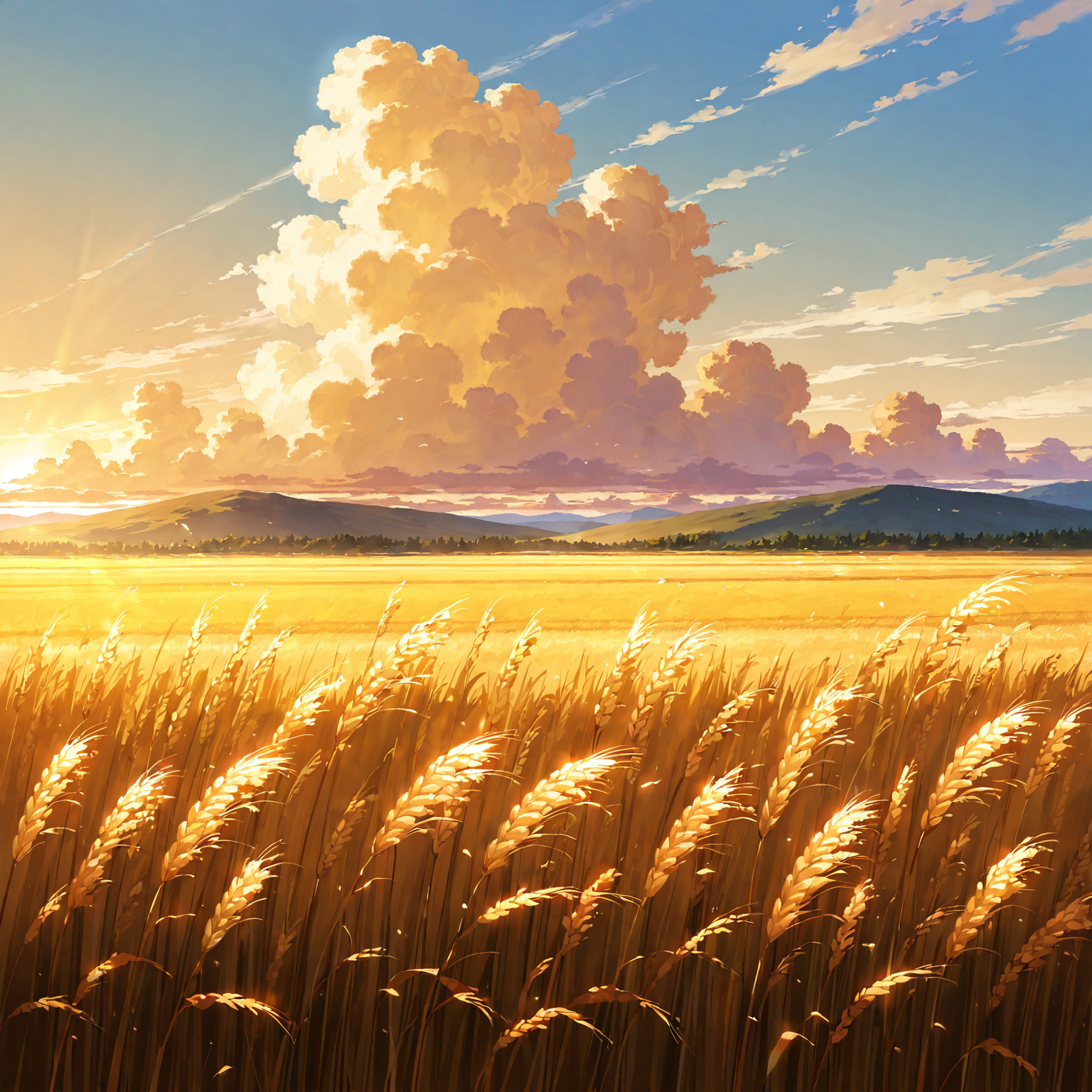
Frejblót: First-Harvest Celebration
A modern rite of thanksgiving to Freyr for the present “harvest” in life, and a good remainder of the year.
Purpose
Frejblót is a first-harvest festival honoring Freyr, the god of fertility, prosperity, peace, and good seasons. It gives thanks for what the year has yielded so far, names the wins aloud, offers back the first portion, and celebrates abundance with a proper feast.
The name means simply “Freyr’s blót.” The holiday itself is a modern construction, but an honest one: sacrifices to Freyr (Freysblót) are genuinely attested in the saga literature, and til árs ok friðar — “for a good year and peace” — is the attested formula of those who honor him. What’s modern is fixing it to the first harvest of August and shaping it for a household today.
The three functions of the day:
Thanksgiving — naming the year’s harvest so far, literal and figurative, specifically and aloud.
Offering — the first portion returned to the god, as is right.
Feast — shared abundance in Freyr’s honor. Pleasure without shame.
Timing Options
Conventional date: August 1, or the nearest weekend gathering day.
Land-anchored alternative: Tie the festival to a real local first-harvest marker — the first ripe tomato, the first sweet corn at the farm stand, the first meaningful cut of your own herbs. Agricultural festivals tracked the land, not the calendar. Pick your marker and keep it; consistency is what makes it a tradition.
Phase 1 — The Week Before (Preparation)
The festival should cost effort. Preparation is part of the offering.
Gather the harvest inventory. Over the week, keep a running list in two columns:
Grown: literal harvest — garden yield, preserved food, anything created or made from raw material.
Built: figurative harvest — projects finished or meaningfully advanced this year, skills gained, things shipped, problems solved, relationships strengthened. The wins, large and small.
Nothing is too minor for the list. A year’s abundance is easy to forget, and this is the week it gets counted.
Make the harvest token: Sometime during the week, make a small wooden token with symbolism all your own burned or carved into it. The making matters; the labor is what gives it weight, same as baking the loaf. This token will be hallowed at the blót and then stand on the altar or shelf through the coming year. (Low-effort alternative: a written harvest card — the year’s named wins on good paper, displayed the same way.)
Gather materials:
Flour and ingredients for a from-scratch loaf (see Phase 2)
Drink for the offering and feast — mead or beer traditionally; a good local option serves
This year’s harvest token, and last year’s token coming off the shelf (from the second year onward)
Fire source: outdoor fire, fire bowl, or a substantial candle
The feast menu, planned around whatever is genuinely in season
Phase 2 — The Baking (Morning of)
Bake bread from scratch on the day itself. The labor is the value of the offering — store-bought defeats the purpose.
Shape the loaf as the sheaf: a braided loaf standing for the grain itself. A braided round scored with a simple design works if sculptural shaping is beyond the day’s ambition. What matters is that the shape was chosen and made deliberately.
If anything was grown at home this year, the first picking of it joins the offering plate alongside the bread.
Phase 3 — The Blót (Early Evening)
Keep it simple enough to repeat every year without notes.
Setup: Gather at the fire or table. The offering plate holds the whole loaf, any first-harvest produce, and this year’s token; a full cup or horn stands beside it. From the second year onward, last year’s token waits at the fire.
- Hallowing. Light the fire or candle. Mark the space in whatever manner your practice uses. Plain words suffice:
“This fire is lit for Freyr. This ground, this table, this hour are set apart.”
- The Address. Speak to Freyr plainly. A frame:
“Freyr, lord of the harvest, giver of peace and plenty —
we come at the first cutting of the year to give thanks.
The fields have yielded. The work has borne fruit.
We name what has grown.”
Naming the Harvest. Each person present reads or speaks from their harvest inventory — the grown and the built. This is spoken aloud and specifically. “It was a good year” is not naming; “the second drive arrived and the archive is whole” is naming. Abundance acknowledged vaguely is abundance not acknowledged.
The Offering and the Exchange. Cut the first slice of the loaf. Pour the first draught of the drink. Both go to the fire or to the land (never back into shared food/drink). As they go:
“The first portion is yours, as is right.
Til árs ok friðar — for a good year, and peace.”
Then, from the second year onward, last year’s token follows them into the fire as this year’s remains on the plate:
“A year kept, a year begun.”
If the fire is only a candle, the old token returns to the land instead — buried, not discarded.
- The Round. The cup or horn passes; each person may speak a hope for the remainder of the year’s growing, or raise the cup to someone else’s named win, or pass in silence. The round ends back at the one who leads.
No solemnity is required past this point. Freyr would not ask for it
Phase 4 — The Feast
Freyr is a god of enjoyment, and the feast is not an afterthought — it is a core function of the holiday. The meal should be genuinely good, seasonal where possible, and shared if at all possible. The blessed loaf (minus the offered slice) is eaten at this table — nothing held back.
Phase 5 — The Closing
Set the token. This year’s token, hallowed at the blót, takes its place on the altar or shelf — a standing reminder through the year that the harvest was real and Freyr was thanked. One in, one out; the years hand off to each other.
Write the record. A short entry closes the day: the harvest named, the wins counted, one line on the state of things. Kept with the harvest inventories, in ten years this is a document worth having.
Variants
Solo rite: Everything above scales down to one person: bake, hallow, name the harvest aloud (aloud matters — even alone), offer, exchange the tokens, eat well, write the record. Adjust the spoken words from “we” to
“I.” Total ritual time outside the baking: 15–20 minutes.
Household rite: As written above. The harvest-naming and the round are the communal core.
Quick Reference — Order of the Day
- Morning: Bake the sheaf loaf.
- Early evening: Blót — hallow, address, name the harvest and the wins, offer first slice and first pour (til árs ok friðar), burn last year’s token, pass the round.
- Evening: Feast.
- Close: Set this year’s token on the shelf; write the record.